
Thread by Thread: The Hidden Journey of How a Dress Is Made
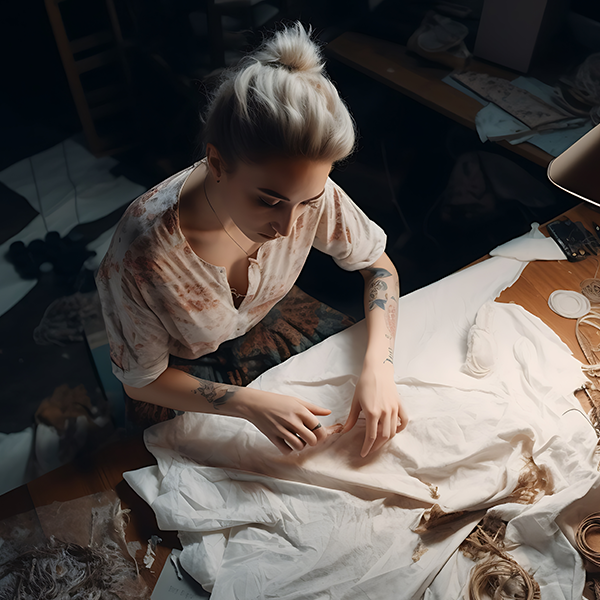
When you slip into a beautiful dress, it’s easy to admire the color, cut, and how it drapes across your body — but rarely do we pause to consider the journey behind that garment. From raw fabric to final stitch, every dress has a story woven into its seams. In an age of fast fashion and mass production, understanding how a dress is made adds depth, value, and appreciation for what we wear.
1. The Design Stage: Where Creativity Meets Precision
Every dress begins as a vision. Designers sketch silhouettes, experiment with necklines, and imagine how the fabric will move. But beyond the artistry lies a meticulous process. Proportions must flatter, patterns must align, and styles must balance beauty with wearability. Once the concept is refined, technical drawings and fabric swatches bring the idea closer to reality.
2. Choosing the Fabric: The Foundation of Every Dress
The fabric is the soul of a dress. Whether it's breezy chiffon, structured cotton, luxurious silk, or soft jersey, the choice of material defines the dress’s movement, mood, and purpose. Fabric sourcing involves selecting quality, sustainability, and texture. Many ethical brands today also trace their textiles back to eco-conscious mills or fair-trade cooperatives.
3. Pattern Making: The Blueprint Behind the Fit
Once the fabric is selected, skilled pattern makers create the blueprint of the dress. Using paper or digital software, they break down the design into sections: bodice, sleeves, skirt, neckline. These templates ensure the garment fits as intended and that fabric is used efficiently. Pattern making blends engineering with fashion — every line, curve, and angle matters.
4. Cutting and Sewing: Craftsmanship in Motion
Next comes cutting — the process of laying fabric flat and slicing it along the pattern lines. Accuracy is crucial; even a minor deviation can alter the dress’s fit. The pieces are then sewn together by skilled tailors or machines, depending on the production scale. Details like darts, pleats, linings, or zippers are added with precision.
5. Fitting and Finishing: The Final Touches
Before a dress is ready to be worn, it undergoes a fitting process to ensure it hugs the body just right. Adjustments are made, seams are pressed, and hems are finalized. Finishing touches include topstitching, labels, tags, and sometimes hand-sewn embellishments. At this stage, quality control checks for symmetry, alignment, and overall integrity.
6. The Ethical Conversation: Why It Matters
Today, the dress-making process is under more scrutiny than ever. Consumers are asking: Who made my clothes? Ethical fashion brands are rising to the challenge by offering transparency in their supply chains, fair wages for workers, and sustainable materials. Behind every ethically made dress is a network of human hands, each contributing skill and care.
Final Thought
A dress isn’t just something you wear — it’s a collaboration of design, craftsmanship, and intention. Knowing what goes into making it gives new meaning to the clothes hanging in your closet. The next time you slip on your favorite dress, take a moment to appreciate the journey stitched behind every seam.